Manufacturers under the aegis of the Manufacturers Association of Nigeria (MAN) have kicked against a proposal to increase excise duty on carbonated sugar-sweetened beverages (SSB) through amendment of extant law.
Stakeholders expressed divergent views at a public hearing jointly organised by the Senate Committees on Finance and Customs on the proposed amendment to the Customs and Excise Tariff (Consolidation) Act last week.
The bill seeks to increase the current SSB excise tax from N10 per litre to at least 20 percent of the retail price of a given product, in line with the recommendation of the World Health Organisation (WHO). The proposal also recommends earmarking a portion of the revenue generated from the excise tariff for health promotion and disease prevention programmes.
According to proponents of the bill, it will discourage the consumption of SSB among Nigerians.
But manufacturers have called for restraint, warning that the proposed amendment could trigger job losses in the manufacturing sector and urged lawmakers to exercise caution.
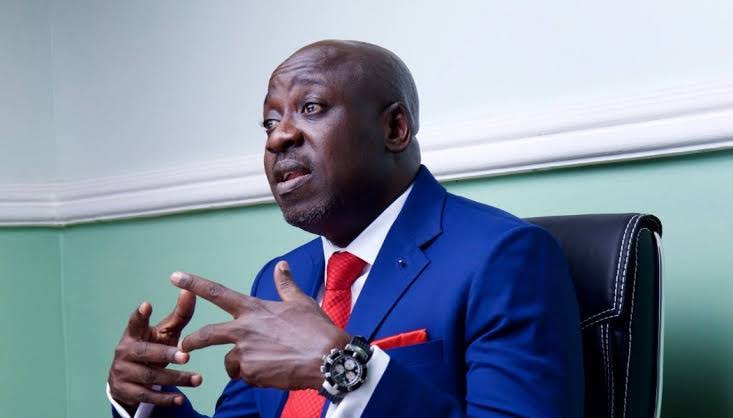
Presenting the position of the manufacturers, a director at MAN, Mr Adeyemi Folorunsho, debunked the claim that the consumption of SSB by Nigerians was mainly responsible for rising cases of diabetes, obesity and other related diseases.
“Contrary to this erroneous belief, Nigeria has the lowest rate of sugar consumption in the world, which is 8.3 million kilogrammes, as against the 22.1 million kilogrammes that is supposed to be,” he stated.
Folorunsho advised the Senate committees and other stakeholders to adopt a win – win approach to the proposed amendment.
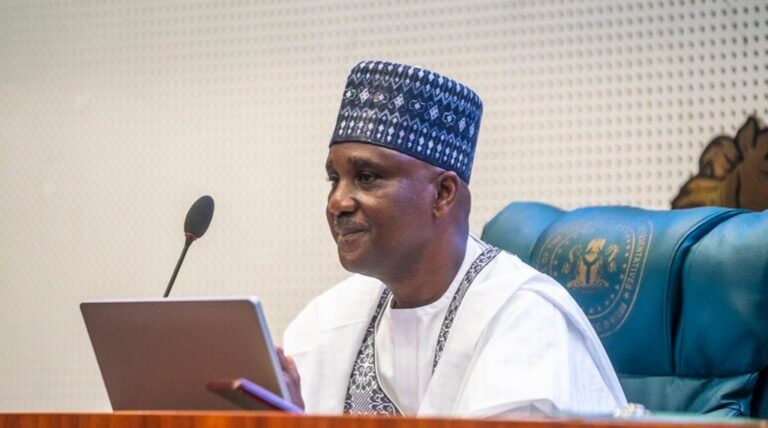
However, the Federal Ministry of Health, represented by the Minister, Prof Ali Pate, backed the proposed amendment bill, saying it represents a progressive, evidence-based approach to public health financing.
He said: “We commend the Senate for proposing a bill that seeks to increase the excise tax on sugar-sweetened beverages (SSBs) and earmark part of the revenue for health promotion.
“This measure demonstrates strong political will, aligns fiscal policy with public health goals, and provides sustainable financing for prevention programmes – critical steps toward achieving universal health coverage.”
Representatives of the Nigeria Cancer Society, Diabetes Association of Nigeria and others also supported the proposed bill.
VANGUARD.