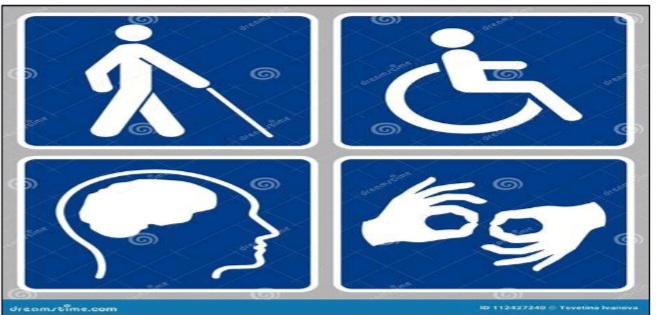
As a new year unfolds, it brings renewed hope and a critical opportunity to deepen inclusion for persons with disabilities in Delta State. Beyond goodwill statements and policy intentions, this year must be defined by meaningful participation—by ensuring that persons with disabilities are not just beneficiaries of development, but active partners in shaping decisions that affect their lives. The enduring principle of disability advocacy, “Nothing About Us, Without Us,” provides a clear roadmap for progress.
Delta State has made commendable strides in recent years, particularly with the passage of disability-related legislation and growing public awareness of inclusion. However, laws and policies alone are not enough. True inclusion begins when the voices of persons with disabilities are intentionally amplified in governance, community development, education, employment, media, and public service delivery. Participation must move from symbolic representation to structured, continuous engagement.
Amplifying disabled voices means creating accessible platforms where persons with disabilities can speak for themselves, share lived experiences, and contribute solutions. In Delta State, this requires deliberate action by government institutions, local councils, civil society organisations, traditional institutions, and the private sector. Consultations on policies, budgets, urban planning, education reforms, health services, and social protection must include disability representatives from the outset—not as an afterthought.
For persons with disabilities, lived experience is expertise. Policies designed without this perspective often fail in implementation, leading to inaccessible infrastructure, exclusionary programs, and wasted resources. When disabled voices are included, outcomes improve: public buildings become accessible, information is shared in inclusive formats, education systems respond to diverse learning needs, and employment initiatives reflect real workplace realities. Inclusion, therefore, is not charity—it is smart and effective governance.
The media in Delta State also has a crucial role to play this year. By shifting narratives from pity and charity to rights, leadership, and contribution, the media can help reshape public perception. Giving space to disability advocates, professionals, entrepreneurs, students, and community leaders with disabilities to tell their own stories fosters dignity and challenges stereotypes. Representation matters, and visibility fuels confidence and participation.
Equally important is empowering persons with disabilities with the skills, confidence, and opportunities to engage effectively. Capacity building in leadership, advocacy, digital literacy, and civic participation will ensure that voices are not only heard, but influential. Youth and women with disabilities, who often face multiple layers of exclusion, must be prioritised in these efforts.
As Delta State charts its development path this year, the guiding question should be simple yet profound: Were persons with disabilities involved in shaping this decision? If the answer is no, then inclusion remains incomplete. This year presents an opportunity to institutionalise participation—through advisory councils, inclusive committees, accessible public hearings, and strong partnerships with disability organisations.
A year to amplify the voices of the disabled is a year to strengthen democracy, promote equity, and unlock human potential. By embracing the principle of “Nothing About Us, Without Us,” Delta State can move beyond intentions to impact, ensuring that development truly leaves no one behind. The future of inclusion depends not on speaking about persons with disabilities, but on listening to—and acting with—them.