Screenshot
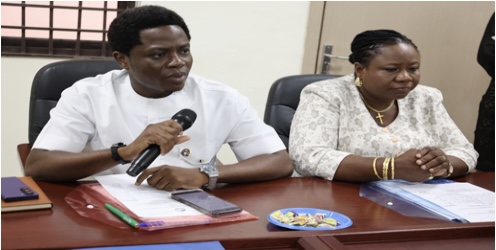
Stakeholders in the Epidemic Preparedness and Response Committee of the Delta State Epidemiology Unit of the Delta State Ministry of Health have risen from their quarterly review meeting with a declaration that Collaboration, Community protection strategies, access to Countermeasures and proper emergency Coordination remain the pathway for effective disease surveillance and management.
The Epidemic Preparedness and Response Committee, consisting of several line ministries and agencies of the state government, meet quarterly to brainstorm and review the epidemic preparedness and response capacity of the state.
In his welcome address to the group, Chairman of the committee and Commissioner for Health, Dr. Joseph Onojaeme emphasised that the frequency and impact of epidemics and other public health emergencies reminds us that preparedness is not optional.
Commissioner Onojaeme stated that effective preparedness and response requires strong coordination, timely information and collective efforts to establish a system that can detect and respond quickly to threats.
“As a committee, your role is critical in providing strategic oversight, technical guidance and coordinated leadership for epidemic preparedness and response activities.” Onojaeme stressed that efforts can only succeed through strong collaboration, shared accountability and evidence-based decision-making, which he said are the principles the committee represents.
The commissioner further lauded Governor Oborevwori’s commitment to infrastructural development in the health sector in the state with the on-going construction of a state of the art medical laboratory at the Osubi Specialist Hospital in Okpe Local Government Area of the state. The commissioner revealed that on completion, the facility would be able to process all emergency samples that are currently being taken out of the state for analysis.
While reviewing the committee’s performance in the last quarter of 2025, the State Epidemiologist, Dr. Mildred Okowa listed M. Pox (Monkeypox), Lassa Fever, Cholera, Yellow Fever, Dengue Fever, Diphtheria, Measles and Cerebrospinal Meningitis as some of the diseases the committee had tracked during the period, noting that Cholera is been prevalent in some riverine local governments such as Burutu, Bomadi, and Warri South West as a result of lack of accessible clean drinking water.
Dr. Okowa stated that the meeting would review ongoing processes, assess readiness capacities, enhance collaboration and coordination, review lessons learnt from previous outbreaks, identify gaps and priority actions, and strengthen information sharing and reporting.
Also speaking, the World Health Organisation’s Coordinator in Delta, Dr. Ibrahim Salisu assured of the continued support to the state government, congratulating the state for its leadership system in epidemic preparation and response, stressing that collaborative surveillance, community protection and coordination should be prioritised.