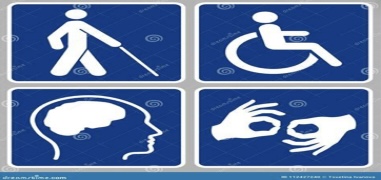
Screenshot
In a society striving for equity and progress, the true measure of development lies in how it treats its most vulnerable citizens. Among these are girls with disabilities, a group that often faces a double layer of discrimination simply for being female and living with a disability. In Nigeria, and particularly in Delta State, protecting their rights is not just a social obligation but a moral and developmental imperative.
For many girls with disabilities, daily life is shaped by exclusion, stigma and limited access to opportunities. They are more likely to be denied education, face barriers to healthcare and experience social isolation. In some cases, they are exposed to neglect, abuse or harmful cultural practices, often without adequate systems of protection or redress. These realities are not always visible, yet they persist in communities across Delta State.
Education remains one of the most critical areas where inequality is evident. While efforts have been made to improve school enrolment across Nigeria, girls with disabilities are still significantly underrepresented in classrooms. Physical inaccessibility, lack of assistive learning materials and insufficiently trained teachers create an environment where inclusion is difficult to achieve. For a blind or visually impaired girl, the absence of accessible formats such as audio materials or screen reader compatible devices can mean the difference between learning and being left behind.
Legal frameworks exist to address these challenges. The Discrimination against Persons with Disabilities (Prohibition) Act provides a strong national foundation for the protection of the rights of persons with disabilities, while Delta State has taken commendable steps by domesticating disability legislation to promote inclusion. These laws guarantee rights to education, healthcare, accessibility and freedom from discrimination. However, the gap between policy and practice remains a pressing concern.
In Delta State, implementation is where the real work lies. Policies must move beyond documentation and become visible in the lives of girls with disabilities. This requires adequate funding, monitoring and accountability. Schools must be equipped to accommodate diverse learning needs, healthcare services must be inclusive and accessible, and social protection systems must be strengthened to support vulnerable families.
Beyond institutional barriers, societal attitudes continue to play a powerful role. Deep rooted stigma and misconceptions about disability often lead to marginalisation. Girls with disabilities are sometimes perceived as incapable or dependent, which limits their opportunities for personal growth and participation. Changing these narratives requires sustained public awareness, community engagement and the promotion of positive stories that highlight ability rather than limitation.
Protection also means safeguarding girls with disabilities from violence and exploitation. Evidence across Nigeria shows that they are at a higher risk of gender based violence, often compounded by communication barriers and lack of accessible reporting mechanisms. Ensuring their safety requires inclusive legal and social support systems, including trained law enforcement personnel, accessible reporting channels and survivor centred services that address their specific needs.
Economic empowerment is another critical dimension. When girls with disabilities are given access to skills training and livelihood opportunities, they are better positioned to break cycles of poverty and dependence. Digital skills, vocational training and entrepreneurship programmes can serve as powerful tools for inclusion, enabling them to contribute meaningfully to their communities and the economy.
Collaboration remains essential in driving meaningful change. Government agencies, civil society organisations, development partners and advocacy groups must work together to design and implement programmes that prioritise the needs of girls with disabilities. Organisations such as Sightsavers and the Nigeria Association of the Blind continue to play vital roles in advancing inclusion, but their efforts must be supported and scaled at the state level.
At its core, protecting the rights of girls with disabilities is about recognising their inherent dignity and potential. It is about ensuring that they are not defined by their limitations but empowered by their abilities. It is about creating a Delta State where every girl, regardless of her condition, has access to education, healthcare, protection and opportunity.
The future of Delta State depends on how inclusive its development agenda is. Leaving girls with disabilities behind is not only unjust, it is a loss of talent, resilience and innovation. By investing in their rights today, the state lays the foundation for a more equitable and prosperous tomorrow.
An inclusive society is not built by chance. It is built through deliberate action, strong policies and a shared commitment to justice. For girls with disabilities in Delta State, that commitment cannot wait.