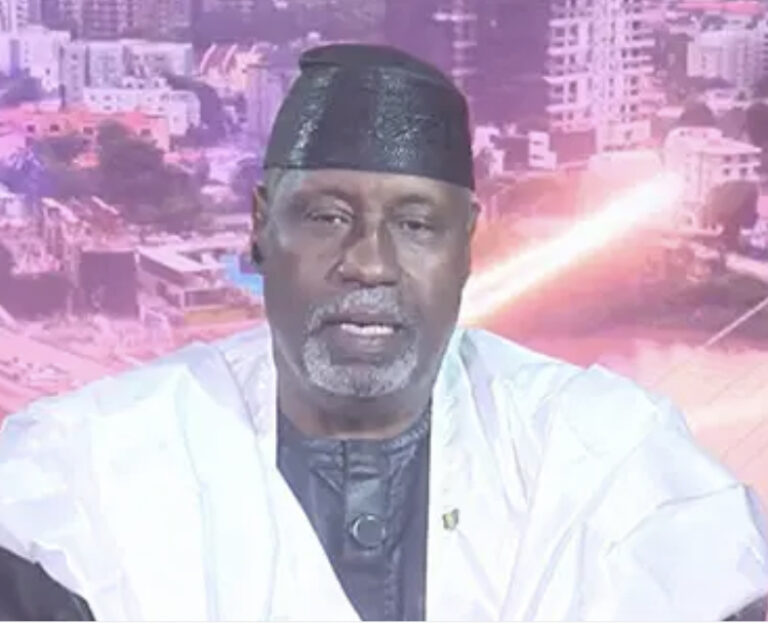
An Urhobo leader and former Editor of Guardian Newspaper, Abraham Ogbodo, says the recent killing of 17 military personnel in Okuama in Delta State cannot be unconnected with crude oil as is the case with most conflicts in the Niger Delta area.
Ogbodo, who was a guest on Channels Television’s Politics Today on Thursday, said the conflict that led to the gruesome murder of the military personnel was related to oil. “It’s very true, nothing so grave happens in Niger Delta without oil underlining it,” he said.
“That has been said before and that has also been confirmed by the Chief of Army Staff. Why we are fishing for other facts is what I don’t understand.
“Let’s keep that narrative, what will happen is whoever is involved in any way to the killing, if investigation brings that person out, fine – nobody is going to query that, nobody is going to raise issues.”
Four officers and 13 soldiers were gruesomely murdered after they reportedly responded to a peace-keeping call to resolve a conflict between two neighbouring communities of Okuama and Okoloba in Delta State on March 14, 2024.
The Urhobo leader questioned the circumstances that led to the deployment of the officers and soldiers to Okuama, wondering if it was the community or the local government that invited them for the peace mission.
He lamented that the true situation of the whole incident has not been established as the community has not been able to present its own story, saying that what everyone has been running with is a single narrative as told by the military.
Asked if is true that youths of Okuama community killed the 17 military personnel, Ogbodo said, “That is the issue for determination and that is why the President set up an investigation team and no investigation has been done. That has not been established.
So to come to that conclusion is just prejudicial.”
Ogbodo said that there is so much to the killing as he believed that it was not true that the gallant officers would have been taken out by just community boys.
“And the story is that there were not just only killed, their bodies were mutilated. So, there was some kind of anger, kind of an attempt to just pull out something to get even with some grievance.
“So, it’s deeper than a community. A rural community as we know does not have the capacity to deliver that level of tragedy,” he said.
Independent Probe
The former editor, however, believed that there was no justification for the killing of the officers and soldiers. He called for an independent investigation into the unfortunate incident to unravel the truth behind it.
He said that military should not be part of those that will carry out the investigation suggesting that it should be handled by independent institutions such as the police, the Department for State Services (DSS), among others.
“The investigation should be handled by independent institutions, the police is there, the DSS is there, we have other agencies that can do it. There should be collaboration, but the military? Nobody can even enter the place, the governor was not able to access the place.”
Ogbodo said nothing should be done to punish the innocent, insisting that nobody is against apprehending the culprits and making them face the full weight of the law.
The 17 slain military personnel were buried at the Military Cemetery in Abuja on Wednesday at a ceremony attended by President Bola Tinubu, leadership of the National Assembly, military top brass, and other dignitaries.
President Tinubu conferred posthumous national awards on the slain officers and soldiers and also awarded scholarships to their children up to university level.
The Defence Headquarters later declared eight persons wanted over their alleged roles in the killing of 17 military personnel.
Ogbodo, who was a guest on Channels Television’s Politics Today on Thursday, said the conflict that led to the gruesome murder of the military personnel was related to oil. “It’s very true, nothing so grave happens in Niger Delta without oil underlining it,” he said.
“That has been said before and that has also been confirmed by the Chief of Army Staff. Why we are fishing for other facts is what I don’t understand.
“Let’s keep that narrative, what will happen is whoever is involved in any way to the killing, if investigation brings that person out, fine – nobody is going to query that, nobody is going to raise issues.”
Four officers and 13 soldiers were gruesomely murdered after they reportedly responded to a peace-keeping call to resolve a conflict between two neighbouring communities of Okuama and Okoloba in Delta State on March 14, 2024.
The Urhobo leader questioned the circumstances that led to the deployment of the officers and soldiers to Okuama, wondering if it was the community or the local government that invited them for the peace mission.
He lamented that the true situation of the whole incident has not been established as the community has not been able to present its own story, saying that what everyone has been running with is a single narrative as told by the military.
Asked if is true that youths of Okuama community killed the 17 military personnel, Ogbodo said, “That is the issue for determination and that is why the President set up an investigation team and no investigation has been done. That has not been established.
So to come to that conclusion is just prejudicial.”
Ogbodo said that there is so much to the killing as he believed that it was not true that the gallant officers would have been taken out by just community boys.
“And the story is that there were not just only killed, their bodies were mutilated. So, there was some kind of anger, kind of an attempt to just pull out something to get even with some grievance.
“So, it’s deeper than a community. A rural community as we know does not have the capacity to deliver that level of tragedy,” he said.
Independent Probe
The former editor, however, believed that there was no justification for the killing of the officers and soldiers. He called for an independent investigation into the unfortunate incident to unravel the truth behind it.
He said that military should not be part of those that will carry out the investigation suggesting that it should be handled by independent institutions such as the police, the Department for State Services (DSS), among others.
“The investigation should be handled by independent institutions, the police is there, the DSS is there, we have other agencies that can do it. There should be collaboration, but the military? Nobody can even enter the place, the governor was not able to access the place.”
Ogbodo said nothing should be done to punish the innocent, insisting that nobody is against apprehending the culprits and making them face the full weight of the law.
The 17 slain military personnel were buried at the Military Cemetery in Abuja on Wednesday at a ceremony attended by President Bola Tinubu, leadership of the National Assembly, military top brass, and other dignitaries.
President Tinubu conferred posthumous national awards on the slain officers and soldiers and also awarded scholarships to their children up to university level.
The Defence Headquarters later declared eight persons wanted over their alleged roles in the killing of 17 military personnel.