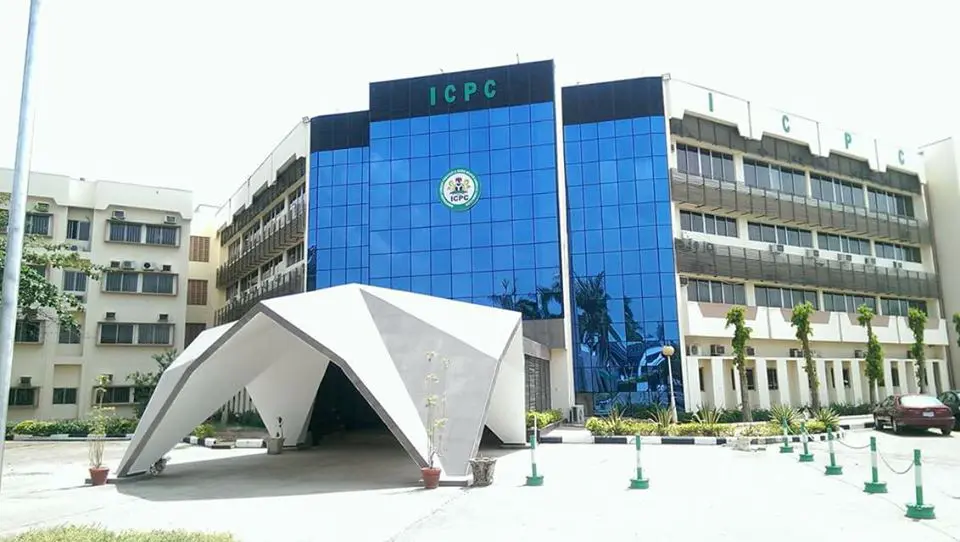
The Independent Corrupt Practices and Other Related Offences Commission (ICPC) has said that the fraudulent activities associated with Nigeria’s procurement systems in Ministries, Department and Agencies (MDAs) are huge.
The anti-graft agency also listed seven ways out of many means civil servants, politicians, contractors and other actors in the contract award system do use to circumvent the procurement laws to siphon funds.
Dr Musa Aliyu, the chairman of the commission, disclosed this at the headquarters of the anti-graft agency on Wednesday when he spoke during a one-day workshop on procurement engagement.
Daily Trust reports that the workshop was themed: “Enhancing transparency of procurement process for efficient project implementation to curb corruption in Nigeria”.
Speaking at the event, the ICPC boss, who was represented by the Secretary of the commission, Mr Clifford Oparaodu, specifically said the corruption schemes plaguing Nigeria’s procurement system could not be exhaustively listed.
He listed contract splitting to circumvent approval thresholds, over-invoicing inflating costs by 200-300 per cent, phantom contracts existing only on paper and substandard execution delivering 40 per cent value for 100 per cent payment as some of the ways the corruption was perpetrated.
Others, according to him, include project abandonment with mobilization funds vanishing, collusion between sponsors’ aides and contractors and round-tripping of identical projects funded multiple times under different names.
Aliyu said, “Public procurement accounts for an estimated 10-25 per cent of Nigeria’s GDP, making it the single largest area of government expenditure and, consequently, the highest quantum of corruption prone.
“Procurement represents the critical juncture where policy meets practice and where budgets transform into tangible projects-or disappear into private pockets.”
He revealed that the commission, in conjunction with the Federal Ministry of Works, was currently tracking road projects across the 36 states of the federation, including the FCT, with a contract sum of N36tn.
Proffering solutions to the problem, he cautioned that technology alone was insufficient, saying other factors must come into it to complement it.
DAILY TRUST.