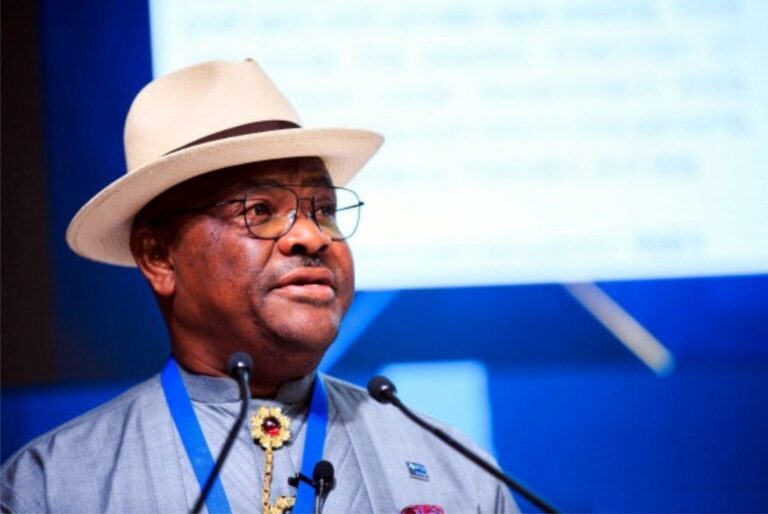
A University Don, Adams Ekwevugbe, PhD from the Delta State University, Abraka, has asserted that when teachers construct valid and reliable test items, they not only measure what students know but also promote deeper learning and understanding.
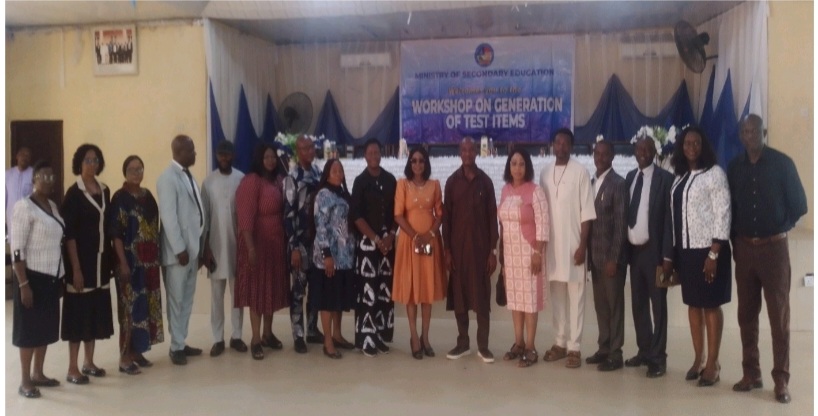
Ekwevugbe stated this in Asaba while delivering a lecture at a workshop on generation of test items, organized by the Delta State Ministry of Secondary Education.
He said that the knowledge of test item generation was not just a professional skills but an essential part of effective teaching practice, stressing that teachers must create tests that accurately measure what students have learned, identify weak areas in their teaching and improve instruction as well as contribute in overall school improvement and accountability.
Ekwevugbe said that improved validity and reliability, better student performance, reduction in examination malpractice, professional confidence and ease in record keeping as well as curriculum alignment were some of the advantages of knowledge of test construction.
In her welcome address, the Director of Examinations and Standards, Mrs. Clementina Ojumah stated that the workshop was an annual exercise organized by the Ministry of Secondary Education for experienced teachers who were specialists in their various subject areas.
Ojumah, who reiterated that the objective was to generate valid, reliable and standardized test items drawn strictly from the approved scheme of work, noted that the items would enrich the Ministry’s question bank and enhance the credibility and integrity of future Basic Education Certificate Examination across the state.
While saying that each participant was expected to generate fifty multiple choice questions, five essay questions, two practical questions and two project-type questions, Mrs. Ojumah told the participants to develop the questions through using appropriate table of specification relevant to their subject areas and must be accompanied by a clear and well-structured marking scheme.
Ojumah explained that the approach was geared towards ensuring uniformity, ease of administration and fairness in the award of scores during the marking exercise across the state.
Also in his presentation on the Structure of the Universal Basic Education Curriculum another resource person, Dr. Emmanuel Oniyama described universal basic education as an offshoot of the philosophy and goals of education in Nigeria as enshrined in the National Policy on Education.
Oniyama said that the universal basic education was structured into four streams including early child care development and education, pre-primary education, primary education and junior secondary education with each having its objectives.