Screenshot
The Chairman of the Delta State Council of the Nigeria Union of Journalists (NUJ), Mr. Churchill Oyowe, has reaffirmed the union’s commitment to promoting disability inclusion and access to information following an advocacy visit by the Nigeria Association of the Blind (NAB), South-South Zone, in Asaba.
Mr. Oyowe made this commitment while receiving the NAB delegation at the NUJ Press Centre, off Marian Babangida Road, during a strategic engagement aimed at strengthening collaboration between both organizations.
He commended NAB for its sustained advocacy efforts and assured the delegation of adequate media support in promoting disability-related issues, particularly public awareness of the Marrakesh Treaty. According to him, the NUJ under his leadership will prioritize inclusive journalism and ensure that disability matters receive sustained and responsible coverage.
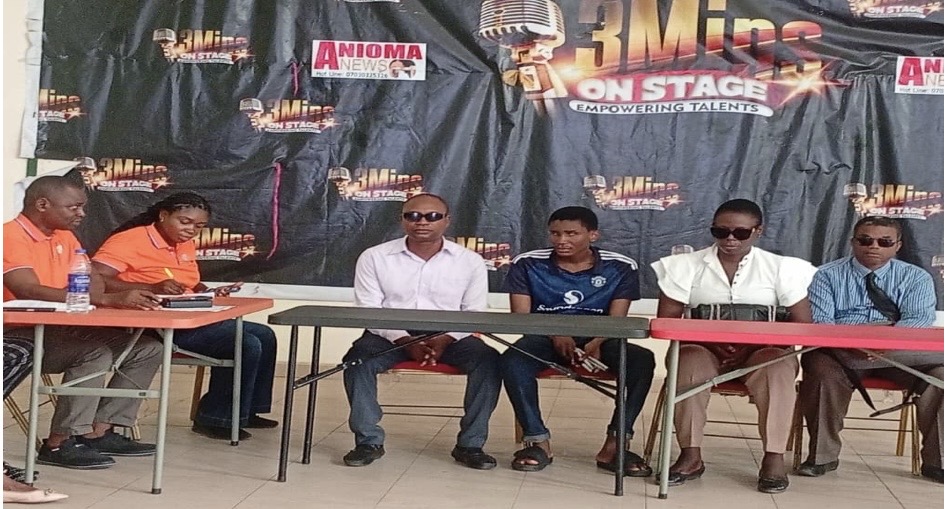
The advocacy visit was led by the South-South Zonal Coordinator of NAB, Mr. Nkemakonam Ofili, alongside Augustine Ubaka, Azubuike Oba, and Nneamaka Akaeze.
In his address, Mr. Ofili emphasized the importance of the Marrakesh Treaty, which was adopted by the World Intellectual Property Organization (WIPO) and domesticated by Nigeria. He explained that the Treaty facilitates the production and distribution of books and learning materials in accessible formats such as audio, large print, and digital versions for persons with visual and print disabilities.
He noted that less than 10 percent of published materials in developing countries are accessible to persons with print disabilities, a situation that continues to limit their educational, economic, and social participation.
Mr. Ofili stressed that journalists are critical partners in shaping public perception, influencing policy implementation, and promoting inclusive development. He called for stronger media engagement in amplifying disability issues and ensuring that progressive policies translate into real benefits for persons with disabilities.
As part of the engagement, the NAB delegation proposed areas of collaboration with the NUJ, including media publicity and awareness campaigns, feature articles and interviews, capacity-building programmes on disability-inclusive reporting, joint advocacy to relevant institutions, and the commemoration of key disability and access-to-information days.
In his response, Mr. Oyowe acknowledged that disability issues have not received sufficient media attention in the past and pledged to change the narrative through deliberate and sustained coverage.
The advocacy visit marked a significant milestone in strengthening cooperation between the Nigeria Association of the Blind and the Nigeria Union of Journalists in Delta State. Both organizations reaffirmed their shared commitment to promoting human rights, social justice, and equal access to information for persons with disabilities.
NAB expressed confidence that the partnership would translate policy commitments into practical actions, ensuring that no Nigerian is denied access to knowledge and opportunities because of disability.