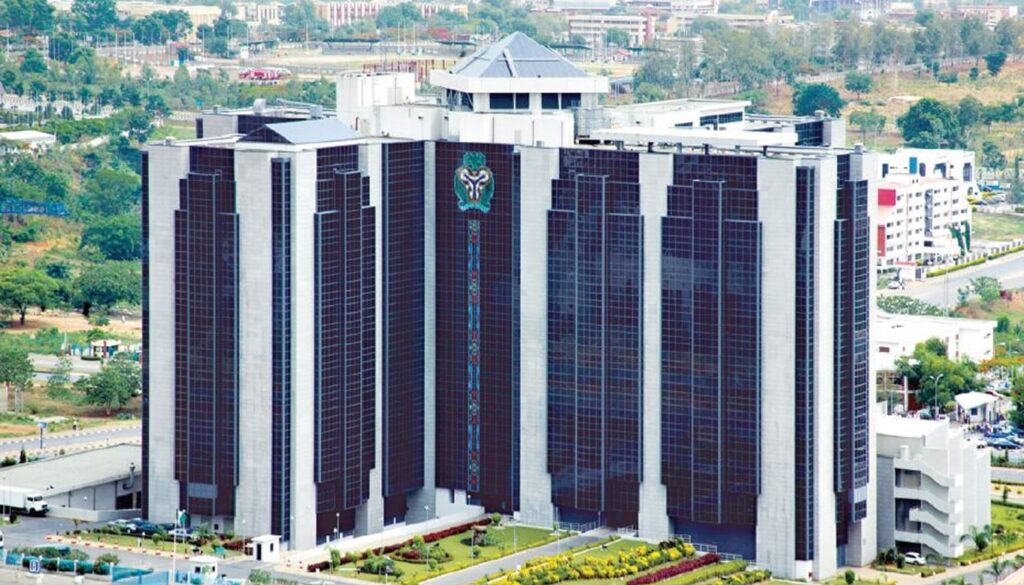
The Central Bank of Nigeria has officially restricted banking services for “chronic defaulters” and large-ticket obligors with non-performing loans.
In a sweeping move to enforce credit discipline and safeguard the nation’s financial system, the apex bank issued a policy statement on Wednesday following remarks by CBN Governor Olayemi Cardoso at the 4th Annual IMF/AFRITAC West 2 High-Level Executive Forum in Abuja.
The Governor made it clear that the era of regulatory forbearance for delinquent borrowers is over.
He emphasised that the bank is shifting toward a more aggressive stance on corporate governance to ensure that the N4.61tn in new capital recently attracted by the banking sector is protected from systemic abuse.
“Our stance on corporate governance is unequivocal: zero tolerance for violations. By ending years of regulatory forbearance, we have reinforced accountability, tightened supervision, and elevated compliance standards across the sector,” the Governor stated.
The new directive specifically targets “large-ticket obligors”, individuals or entities with significant outstanding debts classified as non-performing in the Credit Risk Management System. Under the new rules, these defaulters will be barred from accessing not only fresh credit but also essential contingent liabilities and trade instruments.
“We have implemented a restriction of banking services to non-performing large-ticket obligors. This decisive step underscores our commitment to credit discipline, financial integrity, and accountability,” the statement read.
According to the CBN, the move is designed to instil a “culture of repayment” that has historically been lacking among high-profile borrowers. By cutting off access to instruments such as letters of credit and performance bonds, the regulator aims to prevent “credit jumping”, a practice where defaulters migrate between banks to accumulate more debt.
“By curbing access to banking services for chronic defaulters, we are reinforcing the culture of repayment, protecting depositors, and safeguarding the stability of the financial system,” the apex bank added.
Beyond the crackdown on debtors, Cardoso reaffirmed that the CBN remains firmly committed to orthodox monetary policy. This approach prioritises price stability and the use of traditional tools to anchor inflation expectations, moving away from unconventional interventions to restore confidence in the naira.
“The CBN remains firmly anchored in orthodox monetary policy, focused on restoring price stability, strengthening policy credibility, and anchoring expectations through discipline and consistency,” the statement concluded.
For years, the Nigerian banking sector has struggled with “chronic defaulters”, wealthy individuals or massive corporations that borrow billions and fail to repay.
These are often referred to as “large-ticket obligors”. When these loans go bad, they threaten the liquidity of banks and the safety of ordinary citizens’ deposits.
Under the leadership of Cardoso, the CBN is pivoting toward “Orthodox Monetary Policy”. This means moving away from the era of massive development interventions and direct lending to sectors like agriculture and focusing instead on its core mandate: price stability and financial system regulation.
PUNCH.