Screenshot
The General Secretary of the Nigeria Civil Service Union, NCSU, Gbenga Olowoyo, has raised the alarm over what he described as the “disturbing and preventable” wave of deaths among Nigerian pensioners, blaming systemic failure, poor welfare policies, and government neglect.
Olowoyo, who serves as the National General Secretary, Joint National Public Service Negotiating Council, JNPSNC, said available data suggests that nearly half of public servants die shortly after retirement—a trend he described as both tragic and unacceptable.
According to him, life after retirement in Nigeria has become a period marked not by rest and dignity, but by hardship, frustration, and, in many cases, premature death.
“After dedicating the most productive years of their lives to national service, many retirees are abandoned to face economic hardship, emotional trauma, and deteriorating health without adequate support,” he said.
He attributed the high mortality rate among pensioners to several factors, including non-payment of pensions and gratuities, prolonged arrears, and the rising cost of living. In some cases, retirees reportedly survive on as little as N3,000 monthly—an amount widely considered insufficient to meet basic needs.
Olowoyo also pointed to the failure of some state governments and private sector employers to comply with pension laws, particularly the Contributory Pension Scheme, CPS. He noted that despite reforms introduced since 2004 and strengthened in 2014, many employers either fail to remit pension contributions or delay payments indefinitely.
“Non-compliance, weak enforcement mechanisms, and administrative inefficiencies have continued to undermine the effectiveness of the pension system,” he said.
Beyond financial hardship, the NCSU scribe highlighted the psychological toll on retirees, many of whom face stressful verification exercises, long-distance travel to process entitlements, and uncertainty about when—or if—they will be paid.
He further condemned what he described as “insensitive attitudes” among some public officials toward pensioners, noting that such sentiments erode trust in government and devalue the contributions of retirees.
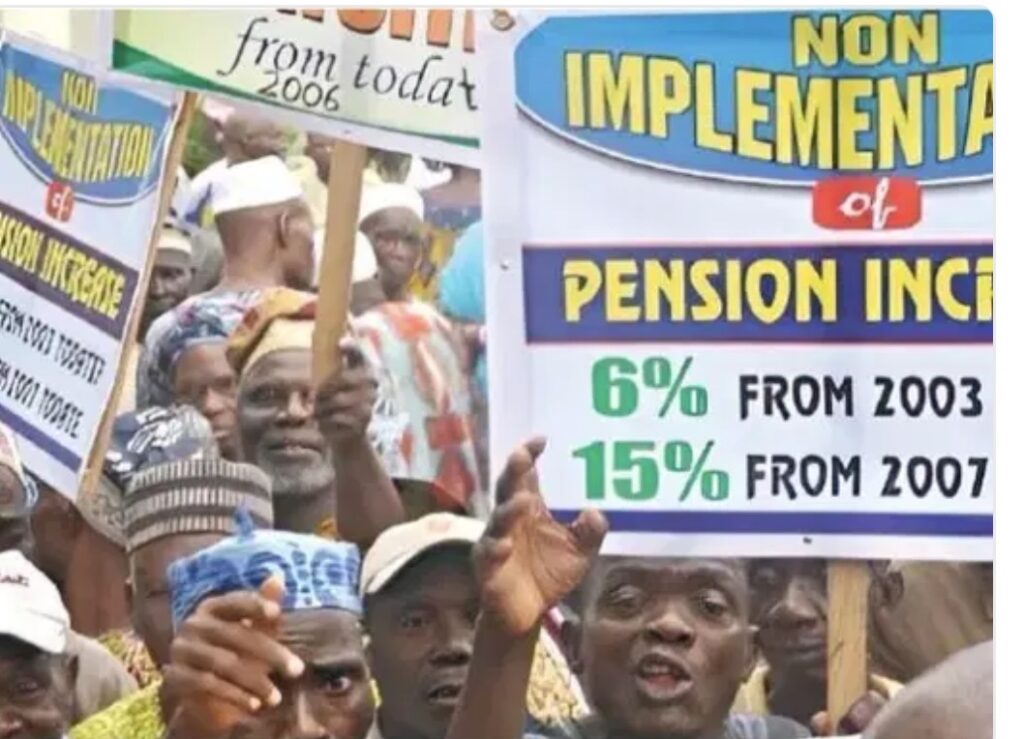
The Nigeria Union of Pensioners, NUP, has also voiced similar concerns, warning that worsening economic conditions, including rising fuel prices and inflation, have deepened the suffering of retirees nationwide.
Despite recent interventions—such as the Federal Government’s approval of pension bond payments and incremental increases in pension benefits—Olowoyo insisted that more comprehensive reforms are urgently needed.
He called for strict enforcement of pension laws, prompt payment of entitlements, expansion of healthcare coverage for retirees, and the introduction of social welfare programmes to support aging citizens.
“Pensioners are not a burden. They are citizens who have earned the right to live in dignity after years of service,” he said.
Olowoyo urged labour unions, civil society organisations, and government agencies to prioritise pension reforms, warning that failure to act would continue to cost lives.
“The current situation raises a painful question about our values as a nation,” he added. “No society that neglects its elderly can claim to be just or humane.”
He called for urgent, coordinated action at all levels of government to address what he described as a growing national crisis.
VANGUARD.