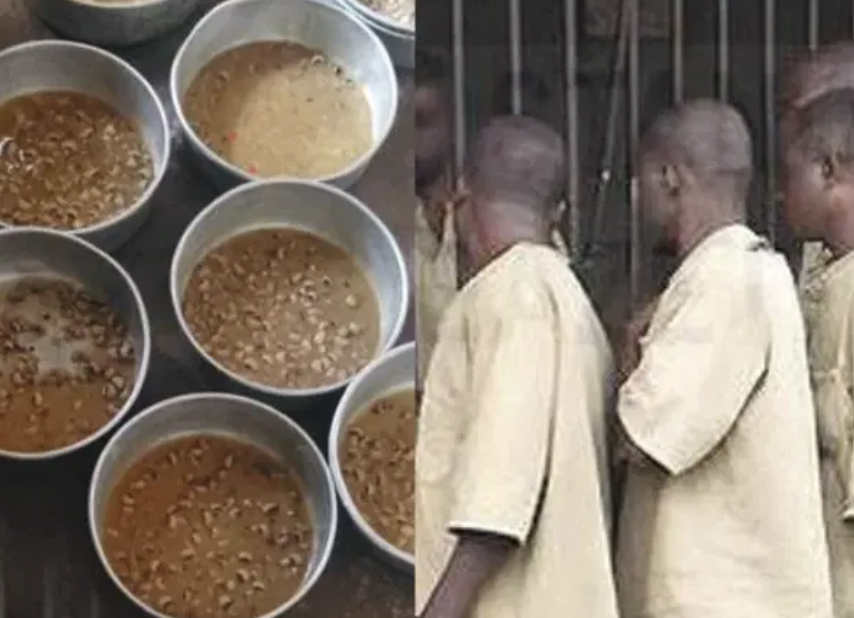
For three years inside the Kirikiri Correctional Centre in Lagos, survival for Mike Okoroafor came down to a daily calculation: find alternative food or go hungry. Convicted for fraud and later discharged by the Court of Appeal, Okoroafor said that while his legal ordeal eventually ended, the struggle to stay nourished in custody remains the most haunting part of his experience.
He recalled: “The first week I relied on prison food, my body began to weaken. By the second week, I made up my mind never to depend on it again. That was when I realised that if you don’t find alternatives, you can’t survive.”
Okoroafor’s account is not isolated. Interviews with former and current inmates, as well as independent findings by Vanguard, point to a deeply strained feeding system across Nigeria’s correctional centres – one undermined by chronic overcrowding, inadequate funding, weak oversight, and allegations of diversion of food supplies.
A system stretched beyond limits
Nigeria’s correctional facilities are currently operating far beyond their designed capacity. According to data from the Nigerian Bureau of Statistics, NBS, the inmate population has climbed above 80,000, with about 65 per cent classified as awaiting trial.
This imbalance has invariably placed enormous pressure on basic services, particularly feeding. Facilities originally built to house far fewer inmates now struggle to cater to swelling populations. Kitchens designed for hundreds must now feed thousands, often with limited infrastructure and outdated equipment.
The result, according to multiple accounts, is a system where both the quality and quantity of meals are compromised.
What inmates are fed