SOMETHING positive appears to be stirring in Benue State. For a state long associated with insecurity, deaths, abandoned infrastructure and economic hardship, a new narrative of roads, bridges, industries and improved healthcare is beginning to emerge, with residents expressing renewed optimism over the direction of the state.
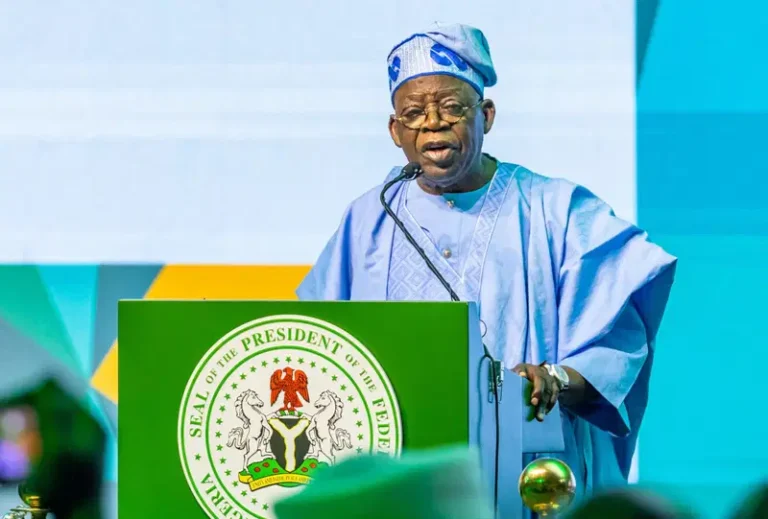
Across communities visited recently, one phrase has become almost a refrain: “Our Governor is working.” And, almost immediately, another line follows: “Our President is working.”
The refrain, according to observations across the state, reflects growing public attention to projects being executed by the administration of Governor Hyacinth Alia and the Federal Government under President Bola Tinubu.
The emerging development story is being driven largely by what officials describe as stronger cooperation between the state and federal governments.
From the Wurukum flyover and Makurdi underpass to the Oju-Awajir Road, Buruku Bridge, Makurdi-Otukpo-Obollo-Afor-Enugu highway, Benue State University Teaching Hospital, BSUTH, and industrial projects, the administration appears determined to change the state’s infrastructure and economic landscape.
Indeed, the work of the governor and the president are vivid. This new slate of performance in the different strata of the state’s life, has opened what looks like a new way for the citizens to feel good. For instance, broken bridges are being rebuilt, agelong abandoned factories brimming with life again while new factories that provide enormous employment opportunities are churning out precious goods and services. All these have happened because of the new thinking that Governor Alia has brought to the state since he was elected over three years ago. The governor is happy to have done these things because of the unprecedented, active and sustained increased financial support he is getting from the Tinubu administration.
Projects changing Makurdi
In Makurdi, the state capital, the high-level underpass and the monumental Wurukum flyover have become major symbols of the administration’s urban renewal drive.
The projects are expected to ease traffic congestion, improve connectivity and reduce the difficulties residents have endured for years.
Beyond aesthetics, the projects are strategic because they intersect with major federal highways, linking communities within the state to other parts of the country.