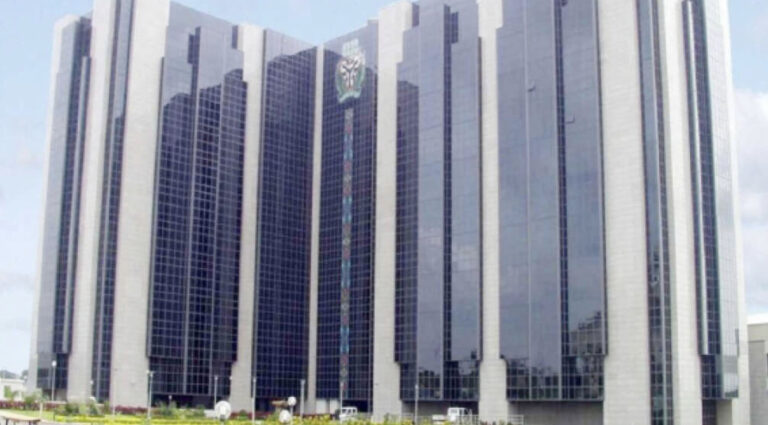
In the recent turn of events, Nigeria finds itself struggling with a fuel shortage crisis following President Bola Tinubu’s decision to remove the longstanding fuel subsidy. The repercussions of this move have left millions of Nigerians in a state of apprehension, fearing the potential impact on their daily lives. As concerns about education, food, and healthcare costs mount, there is a pressing need for the government to propose measures that would alleviate the burden on those with limited means.
Amidst the urgency of combating the climate crisis, it is true that all nations are eventually obliged to phase out fossil fuel subsidies to fulfill their human rights obligations. However, it is crucial to ensure that the removal of such subsidies does not undermine the ability of vulnerable communities to maintain an adequate standard of living. Hence, it becomes imperative that this transition is accompanied by social safety nets and protective measures to cushion the blow.
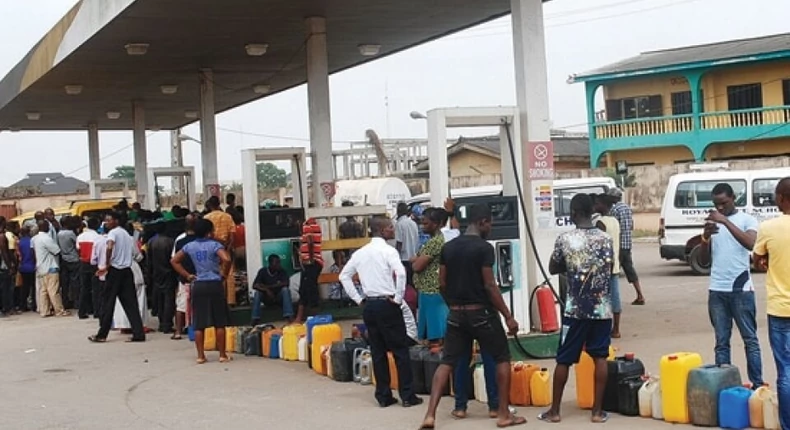
Nigerians should not bear the brunt of the consequences arising from decades of political and economic mismanagement of the subsidy scheme. It is high time for the authorities to respond to long-standing demands from civil society and parliamentarians, who have called for a thorough investigation into the fuel market chain. Accountability must prevail, holding all those involved in smuggling, hoarding, and illicit subsidy activities accountable, regardless of their rank or status.
Urgency is of the essence, and the federal government must swiftly implement measures to safeguard the rights of those most affected by fuel subsidy removal. Prioritizing the alleviation of widespread hunger, tackling rising unemployment rates, and countering the rapid decline in the standard of living should take precedence. By doing so, the government can demonstrate its commitment not only to climate responsibility but also to the well-being and prosperity of its citizens.
The removal of the fuel subsidy presents Nigeria with a delicate balancing act between fulfilling international obligations and ensuring that the most vulnerable segments of society are not unduly burdened. It calls for a proactive approach that acknowledges the urgent need to address climate change while safeguarding the rights and livelihoods of its people. Failure to strike this balance could deepen existing inequalities and exacerbate poverty, compromising the very fabric of the nation.
As Nigerians face an uncertain future in the wake of the subsidy’s removal, the government must act decisively and compassionately. It is essential to foster an inclusive dialogue with civil society, listen to the concerns of the people, and forge a path forward that upholds human rights, mitigates the impact on low-income individuals, and paves the way for a sustainable and equitable future for all Nigerians.