Screenshot
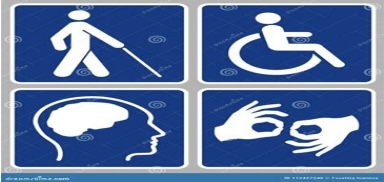
Accessibility is not a privilege; it is a fundamental human right. For persons with disabilities, especially those who are visually impaired, physically challenged, or elderly, access to public buildings and transportation determines whether they can fully participate in society. In Delta State, despite ongoing development efforts, many public spaces and transport systems remain unfriendly to persons with disabilities. This gap continues to limit independence, productivity, and social inclusion.
Accessibility means designing environments, facilities, and services that everyone can use without barriers. It includes ramps and elevators in buildings, tactile paving and handrails for the visually impaired, wide doorways and accessible toilets, audio and visual announcements in public transport, low-floor buses, and safe pedestrian walkways. When these features are absent, persons with disabilities are forced to depend on others, reducing their dignity and freedom.
In many parts of Delta State, especially in urban centres such as Asaba, public buildings such as government offices, hospitals, schools, and event halls are still largely inaccessible. However, it is important to commend the Delta State Secretariat, officially known as the Professor Chike Edozie Secretariat, which stands out as one of the most disability-friendly government complexes in Nigeria. With its relatively accessible design, organized layout, and supportive environment, the Secretariat demonstrates that inclusive infrastructure is possible when there is commitment and vision. It serves as a model that should be replicated across the state.
Despite this positive example, many public facilities still have staircases without ramps or lifts, slippery floors, poor signage, lack of tactile guides for blind persons, narrow entrances, and overcrowded corridors. For many persons with disabilities, visiting a ministry, hospital, bank, or court becomes a stressful and humiliating experience. Some are discouraged from attending important public functions because of these barriers.
Transportation remains one of the biggest challenges. Public transport is the backbone of economic and social life, yet most commercial buses, tricycles, and taxis in Delta State are not designed to accommodate persons with disabilities. High steps prevent wheelchair users from boarding easily, drivers often lack awareness and patience, priority seating is rarely respected, audio announcements for stops are absent, and passengers are frequently dropped off at unsafe locations. As a result, many persons with disabilities struggle to commute to work, school, hospitals, and social events. This limits their opportunities and reinforces poverty and social isolation.
The consequences of inaccessible infrastructure are far-reaching. Many qualified persons with disabilities are unable to take up employment because they cannot easily access workplaces. Students face difficulties reaching classrooms, libraries, and hostels. Accessing healthcare becomes a challenge when hospitals are not disability-friendly. Social, cultural, and political participation is reduced, and constant dependence on others affects confidence, self-esteem, and mental wellbeing.
Civil society organisations and disability groups in Delta State have continued to raise their voices against these barriers. Bodies such as the Joint National Association of Persons with Disabilities, the Nigeria Association of the Blind, and other affiliated advocacy platforms have played vital roles in promoting inclusion. Through advocacy visits, sensitisation programmes, stakeholder engagements, and media campaigns, these organisations continue to draw attention to the urgent need for accessible infrastructure. Their consistent efforts have helped to keep disability issues on the public agenda and encourage dialogue with policymakers.
However, advocacy alone cannot bring lasting change without strong political will and practical implementation. The Delta State Government has a constitutional and moral responsibility to protect the rights of persons with disabilities. While policies and regulations exist, enforcement remains weak in many areas. Building codes that mandate accessibility must be strictly implemented. Old public buildings should be retrofitted with ramps, handrails, lifts, and accessible toilets. All new construction projects must include accessibility features from the design stage. Contractors and agencies should be properly monitored, and adequate budgetary provision should be made for inclusive infrastructure. Without these measures, accessibility will remain a promise on paper rather than a reality on the ground.
To move Delta State forward, inclusive urban planning must become a priority. Town planners and architects should consult disability groups before approving building designs. Existing structures should be upgraded to meet accessibility standards. The state should invest in disability-friendly buses and regulate transport operators to ensure compliance. Drivers, civil servants, and public workers should receive regular training on disability inclusion and etiquette. Public awareness campaigns should be intensified to educate communities on the rights and needs of persons with disabilities. A dedicated monitoring mechanism should also be established to ensure accountability.
Investing in accessibility benefits everyone, not only persons with disabilities. It supports pregnant women, elderly persons, people with temporary injuries, parents with strollers, and travelers with luggage. An inclusive environment promotes tourism, economic growth, and social harmony. When public spaces are designed for all, society becomes more productive, compassionate, and united.
Delta State cannot achieve sustainable development while a significant portion of its population remains excluded. Accessibility is not charity; it is justice. Government agencies, lawmakers, private developers, traditional institutions, and civil society must work together to remove physical and social barriers. Persons with disabilities must be actively involved in planning and decision-making processes that affect their lives.
By building on positive examples such as the Professor Chike Edozie Secretariat in Asaba, and extending such standards to all public facilities and transport systems, Delta State can become a national leader in inclusion. Breaking barriers in public buildings and transportation is essential for creating a society where every citizen can live independently, contribute meaningfully, and enjoy equal opportunities. An accessible Delta State is a stronger, fairer, and more prosperous Delta State.