Screenshot
The Delta State Government has taken a significant leap in advancing emergency healthcare delivery across riverine communities with the deployment of a second boat ambulance and the activation of the Rural Emergency and Maternal Transport (RESMAT) programme in Bomadi Local Government Area.
The Commissioner for Health, Dr. Joseph Onojaeme, described the initiative as “a significant milestone in our commitment to strengthening emergency healthcare delivery,” stressing that “access to timely and quality emergency care should never be limited by geography.”
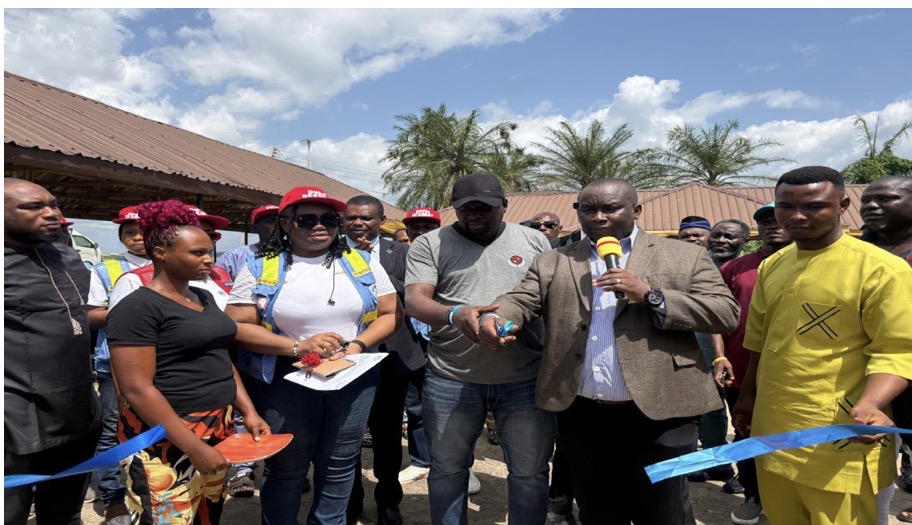
Speaking at the official handover ceremony on Tuesday, the Health Commissioner, who was represented by the Director, Medical Services and Training, Dr. Uwomano Oghounu, noted that the intervention reflects the government’s deliberate efforts to bridge healthcare access gaps in hard-to-reach areas.
He recalled that the marine ambulance service, which commenced in February 2026 under the Delta State Emergency Ambulance Service (DELSEAS–SEMSAS), was specifically designed to tackle the peculiar challenges of riverine terrain.
According to the Commissioner, the newly deployed boat ambulance would “significantly reduce delays in emergency evacuation, strengthen referral linkages, and enhance coordinated emergency response” across Bomadi and neighbouring local government areas, including Burutu, Patani, and Ughelli South.
On maternal health, the health commissioner underscored the importance of the RESMAT initiative, declaring emphatically that “no woman should lose her life while giving life due to lack of transportation.”
He explained that the programme was structured to ensure that pregnant women and other vulnerable patients in remote communities have prompt access to skilled care during emergencies.
Dr. Onojaeme further disclosed that the state government was reinforcing healthcare delivery in the area by onboarding General Hospital, Bomadi, as an Emergency Treatment Centre within the Bomadi Medical Zone.
This, he said, would guarantee immediate stabilization of patients before referral to higher facilities.
Dr. Onojaeme added that efforts were also underway to strengthen community-level response through the training of Community Emergency Management and Treatment Triage Officers (CEMTTOs), emergency transport service personnel, and primary healthcare workers.
While acknowledging the support of the Federal Government through the National Emergency Medical Services and Ambulance System (NEMSAS), as well as the World Bank-assisted IMPACT Project which facilitated the donation, the health commissioner commended the leadership of Governor Sheriff Oborevwori for his unwavering commitment to healthcare advancement, noting that his administration has continued to expand and reposition the state’s emergency medical services.
He also called for stronger collaboration, urging corporate organisations, community stakeholders, and well-meaning individuals to support government efforts, emphasizing that sustainable healthcare delivery requires collective responsibility.
In his remarks, the Chairman of Bomadi Local Government Council, Hon. Dagidi Rawlings, lauded the initiative, describing health as the most invaluable asset of any society.
He underscored the strategic importance of the boat ambulance, noting that Bomadi was predominantly riverine, with 12 out of its 14 communities accessible mainly by water.
Hon. Dagidi described the donation as unprecedented in the history of the local government and expressed profound gratitude to the state government and its partners for the gesture.
He stated that the facility would significantly enhance emergency response, particularly for residents of remote riverine communities who often face life-threatening delays in accessing medical care.
Overwhelmed with appreciation, the council chairman said the people of Bomadi were deeply elated, noting that the intervention would not only save lives but also improve overall healthcare outcomes in the area.
The ceremony marked another significant step in Delta State’s broader agenda to reduce preventable deaths and strengthen emergency healthcare delivery systems across its riverine corridor.