Nigerian electricity workers have raised alarm over worsening insecurity, deepening poverty, and what they describe as a collapsing power sector that is pushing them to the brink.
As the nation marks Workers’ Day 2026, the National Union of Electricity Employees, NUEE, says its members are increasingly exposed to violence, unsafe working conditions, and economic hardship while striving to keep the country powered.
A statement by NUEE’s Acting General Secretary, Dominic Igwebike, lamented that from overstretched infrastructure to erratic electricity supply, the challenges confronting the sector are mounting.
According to NUEE, workers are being forced to deliver under extreme pressure, even as inflation surges, wages stagnate, and the cost of living spirals beyond reach.
The union warns that without urgent reforms, both the workforce and the nation’s fragile power system could face further decline.
It said, “In addition, we work under very unsafe environment and circumstances – our linemen and technician in the transmission sector are threatened daily by kidnappers and bandits, distribution engineers and technician are beaten up daily by hoodlums and community boys while our sales and marketing teams face the worst harassment, intimidation and abuse while rendering service to the public.”
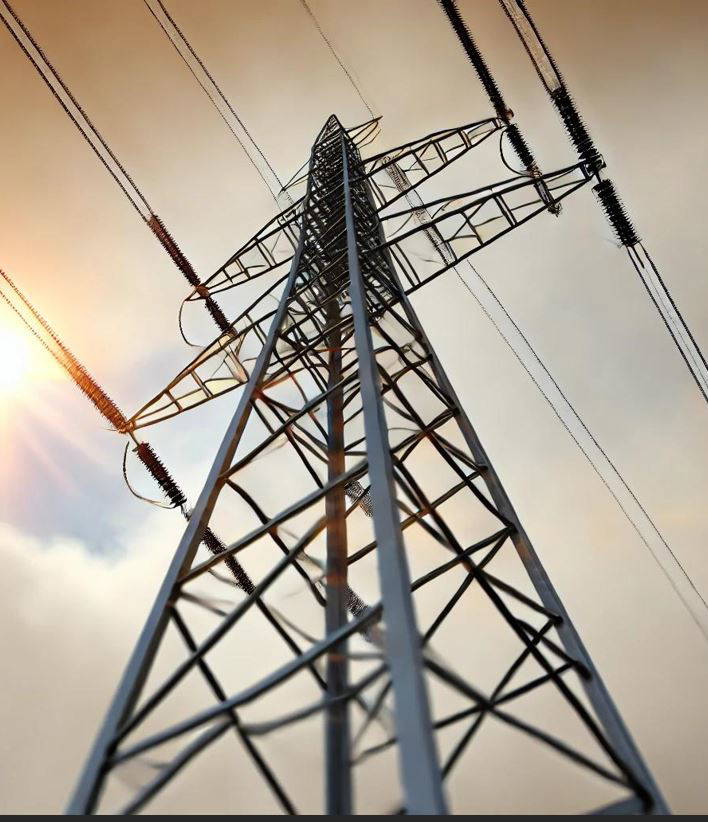
The union described a grim reality where workers must risk their lives simply to perform their duties. Across the country, electricity infrastructure has become a target for vandalism and attacks, leaving technical staff vulnerable in the line of duty. Substations are damaged, transmission lines sabotaged, and entire communities plunged into darkness, compounding the already dire state of power supply.
Economic hardship is further worsening the crisis.
The NUEE noted that “many workers are grappling with stagnant salaries, casualisation of labour, and poor remuneration in the face of a weakening currency and rising inflation. For many, the promise of decent work—defined by fair pay and safe conditions—has become increasingly unattainable.
“Insecurity has continued to cast a long shadow over our workplaces and communities… No worker should have to choose between earning a living and staying alive.”
The union also took aim at the state of Nigeria’s power sector reforms, arguing that privatisation has failed to deliver meaningful improvements. Instead, it claims, the system has produced “public disaster and private gains,” with ordinary Nigerians still suffering from unreliable and inadequate electricity supply.
Despite Nigeria’s vast population of over 220 million people, power generation remains below 5,000 megawatts—far below global benchmarks.
This shortfall continues to strain the system, affecting productivity and placing enormous pressure on workers tasked with maintaining and distributing power nationwide.
Yet, amid the crisis, electricity workers have remained resilient. The union praised its members for their dedication and sacrifice, noting that they continue to serve in both urban and remote areas under hazardous conditions.
Still, NUEE insists that resilience should not be mistaken for acceptance. It is calling for urgent action to address insecurity, improve working conditions, ensure fair wages, and overhaul the failing power sector.
As Workers’ Day is commemorated, the message from electricity workers is clear: without safety, dignity, and meaningful reform, the backbone of Nigeria’s power supply may continue to weaken—leaving the nation in deeper darkness.
VANGUARD.