There is a fine line between intellectual analysis and political sycophancy, and unconditional defense of power quickly crosses it. True development journalism requires the courage to look past state-sponsored theater and analyse the enduring economic degradation of our society.
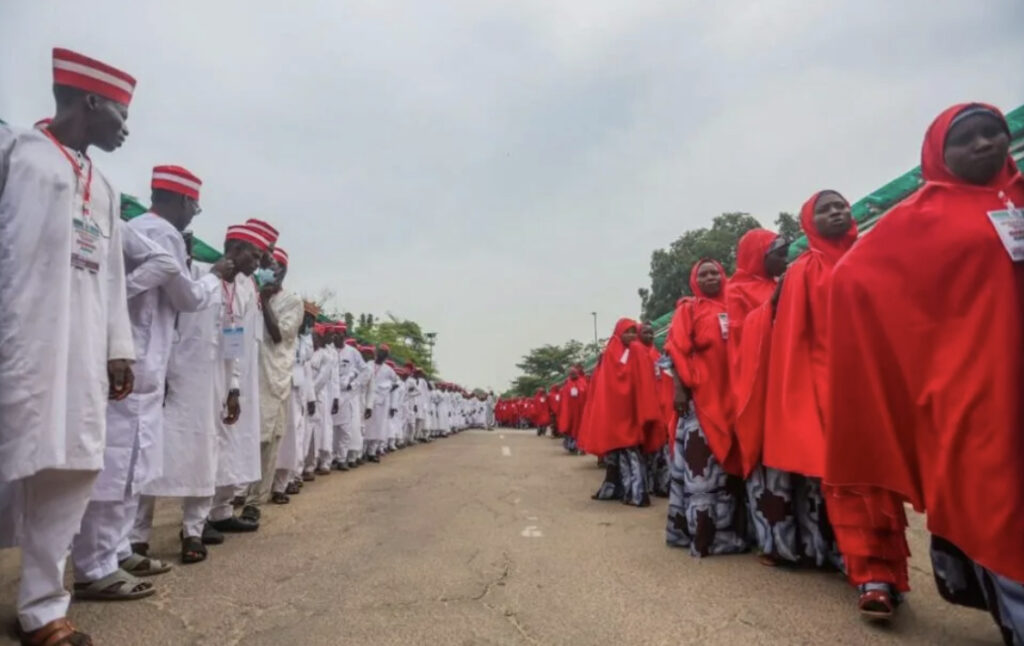
Kano’s state-sponsored mass wedding program, while marketed as a benevolent intervention to address societal fragmentation, has rapidly devolved into a poorly regulated administrative spectacle. What was designed to alleviate domestic pressures instead exposes deep systemic failures in institutional planning, public safety, and financial responsibility.
An institutional analysis reveals a profound deficit in planning across the regulatory framework of the Hisbah and the state administration. Sponsoring polygamous expansions for elderly citizens who already face domestic strains represents a severe lapse in policy judgment. Treating these state-funded expansions as social benchmarks indicates that governance has prioritised performative metrics over sustainable development goals.
By institutionalising choices that lack long-term economic viability, regional indicators will inevitably continue to decline. Furthermore, the stark age disparities built into these pairings introduce long-term social risks. Coupling aging patriarchs with young women increases the statistical probability of premature paternal death, creating a future structural burden of dependent orphans on an already strained state welfare system.
Beyond the severe social costs, these mass weddings represent a massive misallocation of scarce public resources. Various levels of government are pouring hundreds of millions of Naira in public funds into purchasing dowries, bridal beds, cushions, and ceremonial food items. This lavish expenditure on temporary, non-productive matrimonial items represents a highly irresponsible use of taxpayers’ revenues at a time when the state’s economic indicators demand strict fiscal discipline.
Sponsoring weddings does absolutely nothing to address the root socioeconomic causes of high divorce rates and domestic instability across the region. Providing a new couple with a bed and a token sum of money does not guarantee economic survival in a hyper-inflationary economy. Once the celebratory state funds are exhausted, these ill-prepared couples are left to face severe economic hardships independently, inevitably leading to immediate marital breakdowns and worsening the local social crisis.
This pattern of public spending directly contradicts the true yearnings and aspirations of Kano citizens, who are crying out for structural development. Millions of residents lack access to clean drinking water, functional primary healthcare centers, and well-equipped public schools. Squandering public funds on performative mass weddings while public hospitals lack basic medications and schools lack desks represents a profound betrayal of the social contract.
The continuation of this programme highlights a dangerous disconnect between government priorities and sustainable human capital development. True governance involves building lasting infrastructure, creating sustainable job opportunities, and empowering citizens to afford their own life choices, including marriage. When the state takes over the personal responsibility of marrying off citizens, it fosters a toxic culture of state dependency and reduces the government to a marriage broker rather than an agent of economic growth.
Politicians have continuously weaponised these mass ceremonies as cheap populist tools to court public affection and score easy political points. By exploiting cultural and religious sentiments surrounding marriage, political actors distract the public from their failure to deliver on core developmental mandates. This performative empathy allows officials to claim success in social welfare while leaving the fundamental structural crises of poverty and unemployment completely unaddressed.
Furthermore, the logistical execution of these events places thousands of individuals in chaotic, uncoordinated public gatherings without proper crowd management or security protocols. This lack of organizational discipline exposes citizens to unnecessary safety hazards during the ceremonies, showcasing how the pursuit of media publicity routinely overshadows the duty of care owed to the participants.
Kano must immediately halt these unregulated, state-funded mass spectacles and realign its resources with genuine public needs. If mass social interventions must continue, they must be subjected to independent background oversight, strict age-screening laws, and transparent fiscal audits. The government must stop wasting public wealth on performative ceremonies and start investing in the real aspirations of its people: quality education, robust healthcare, and economic security.
Daily Trust