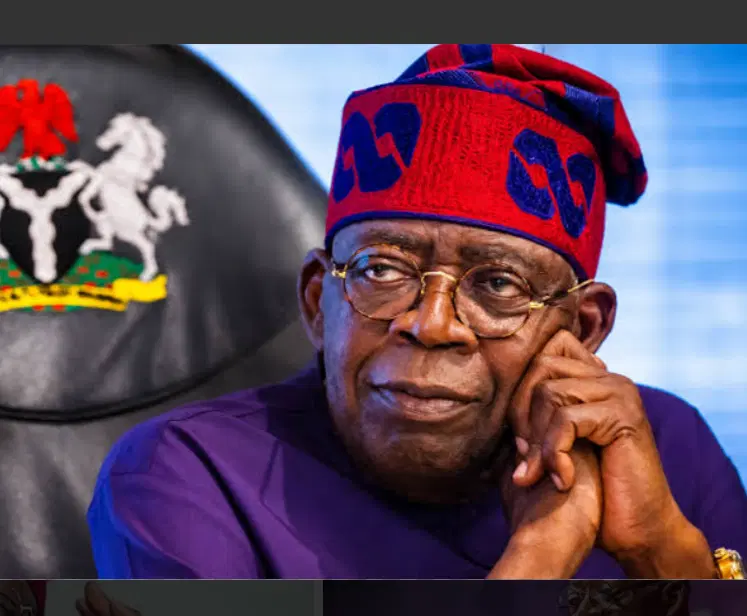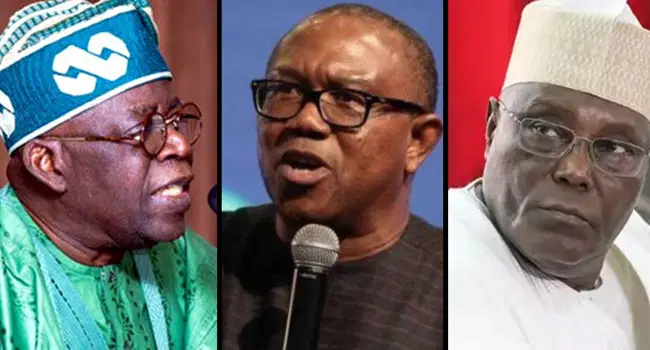
Peter Obi of the Labour Party (LP) defeated Bola Tinubu of the All Progressives Congress (APC) in Lagos State in the February 25, 2023, presidential election, overturning expectations in a state long regarded as Tinubu’s political stronghold.
Obi polled 582,454 votes to defeat Tinubu, who secured 572,606 votes, while Atiku Abubakar of the Peoples Democratic Party (PDP) came third with 75,750 votes, according to results declared by the Independent National Electoral Commission (INEC). Rabiu Kwankwaso of the New Nigeria Peoples Party (NNPP) received 8,442 votes.
Obi won Lagos by 9,848 votes, making the result one of the major surprises of the 2023 presidential election. Tinubu, who governed Lagos from 1999 to 2007, had maintained significant political influence in the state through his party and political network.
However, the result showed that his longstanding connection to Lagos did not guarantee victory at the polls.
How Obi won Lagos
According to the results published by INEC and reported by The Punch, Obi won nine of the state’s 20 local government areas, while Tinubu secured victories in the remaining 11.
The Labour Party candidate performed strongly in Alimosho, Ojo, Oshodi-Isolo, Amuwo-Odofin, Eti-Osa, Ikeja, Kosofe, Somolu and Ajeromi-Ifelodun.
In Alimosho, the state’s most populous local government area, Obi polled 71,327 votes against Tinubu’s 62,283. In Amuwo-Odofin, Obi recorded 55,547 votes, while Tinubu received 13,318. Obi also won Oshodi-Isolo with 51,020 votes against the APC candidate’s 27,181.
Tinubu, meanwhile, won in areas including Agege, Apapa, Badagry, Epe, Ibeju-Lekki, Ifako-Ijaiye, Ikorodu, Lagos Island, Lagos Mainland, Mushin and Surulere.
Despite winning more local government areas, Tinubu lost the overall contest because Obi accumulated more votes across the state. The result demonstrated the Labour Party’s ability to attract substantial support beyond the traditional structures of the APC and PDP.